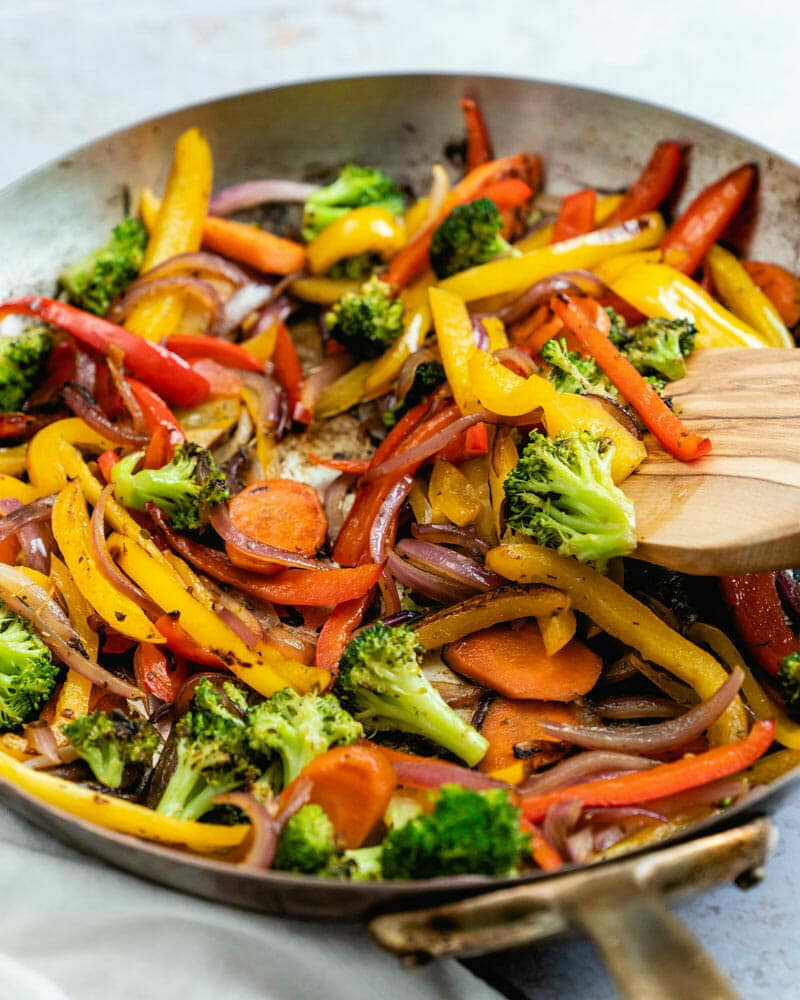
Master Sautéed Vegetables: Tips for Browning, Flavor & Freshness
In the culinary world, few techniques offer the speed, versatility, and sheer deliciousness of sautéing. Among the stars of this method are Minute Sautéed Vegetables: Your Easy Weeknight Side – a vibrant, healthy, and incredibly flavorful side dish that can elevate any meal. Whether you're looking to use up an abundance of seasonal produce, create a quick weeknight accompaniment, or simply add more nutrients to your plate, mastering the art of sautéed vegetables is a game-changer. This guide will walk you through the essential techniques to achieve that perfect browning, lock in maximum flavor, and ensure every bite is bursting with freshness.
Why Sautéed Vegetables are a Weeknight Wonder
Often relegated to a mere afterthought, a well-executed medley of sauteed vegetables can steal the show. They’re a fantastic way to introduce a burst of color and a wealth of vitamins and minerals to your diet. What makes them particularly appealing is their rapid cooking time – often ready in under 20 minutes – making them ideal for busy evenings. Beyond convenience, sautéing imparts a unique depth of flavor that other cooking methods struggle to achieve. This is largely thanks to the magical process of browning, which transforms simple veggies into irresistibly tender, caramelized morsels.
The Art of the Sauté: Unlocking Flavor Through Browning
The secret to truly extraordinary sauteed vegetables lies in achieving that beautiful golden-brown exterior, often referred to as caramelization or the Maillard reaction. This chemical process, which occurs when sugars and amino acids in food are exposed to high heat, creates hundreds of new flavor compounds, resulting in a richer, more complex taste profile. Without this browning, vegetables can taste flat and uninspired, even with generous seasoning.
To master this, you need to understand the critical elements:
- High Heat is Your Friend: Sautéing literally means "to jump" in French, implying quick cooking over high heat. This intense heat quickly evaporates surface moisture, allowing the vegetables to brown rather than steam. A medium-high to high flame is usually best, ensuring your pan is adequately hot before adding any produce.
- The Right Amount of Oil: Don't be shy with oil. A "fair amount" is crucial not just for preventing sticking, but also for conducting heat evenly and contributing to the browning process. It helps create that coveted crisp-tender texture and locks in moisture. Olive oil, avocado oil, or even coconut oil are excellent choices, each lending a subtle difference in flavor. Consider the smoke point of your chosen oil – extra virgin olive oil is great for flavor but has a lower smoke point; refined olive oil or avocado oil handle higher temperatures better.
- Don't Overcrowd the Pan: This is a cardinal rule. When too many vegetables are crammed into a pan, they release moisture, bringing down the pan's temperature. This causes them to steam instead of sauté, leading to limp, unbrowned results. Work in batches if necessary, ensuring there's enough space for air circulation and direct contact with the hot pan surface.
- Toss Occasionally, Not Constantly: It's tempting to stir constantly, but for browning to occur, the vegetables need direct, uninterrupted contact with the hot pan. Resist the urge to toss too frequently. Let them sit for a few minutes until a lovely brown crust forms, then toss and repeat. This deliberate approach ensures maximum flavor development.
Choosing Your Medley: Freshness, Variety, and Staggered Cooking
The beauty of Flavorful Sautéed Veggies: Healthy, Adaptable & Perfectly Browned lies in their adaptability. You can use almost any quick-cooking fresh vegetable, making it an excellent method for utilizing seasonal produce or those lingering items in your fridge. However, choosing fresh over frozen is paramount for achieving the best texture. Frozen vegetables often release too much water, leading to a steamed rather than sautéed outcome.
Selecting and Preparing Your Vegetables
Opt for firm, vibrant, blemish-free vegetables. Wash and dry them thoroughly before dicing or chopping them into roughly uniform pieces. Consistency in size ensures even cooking.
Consider a diverse mix for both nutrition and visual appeal. Excellent choices include:
- Hardier Vegetables (Add First): Broccoli florets, cauliflower florets, carrots (thinly sliced), bell peppers (any color), onions (diced or sliced), asparagus. These take slightly longer to become tender-crisp and benefit from more time on the heat for browning.
- Softer Vegetables (Add Later): Zucchini, yellow squash, mushrooms, cherry or grape tomatoes, snap peas, spinach. These cook quickly and can become mushy if overcooked. Adding them towards the end ensures they retain their texture and vibrant color.
- Avoid: Starchy vegetables like potatoes are generally too dense for quick sautéing and are better suited for roasting or boiling.
The Staggered Cooking Technique
To ensure all your chosen vegetables reach perfect doneness simultaneously, employ the "staggered cooking" method. Start with your harder, denser vegetables, allowing them to cook for a few minutes and begin to brown. Then, introduce the medium-firm vegetables, and finally, add the quickest-cooking, more tender ingredients. This sequential addition ensures everything finishes with an ideal texture – tender-crisp without being mushy.
Mastering the Technique for Perfect Sautéed Vegetables
Beyond selecting your produce and understanding the principles of browning, specific steps ensure a consistently delicious result every time:
- Preheat Your Pan: Place your large skillet or wok over medium-high heat for a minute or two before adding oil. This helps the oil heat up quickly and evenly.
- Add Oil and Heat Until Shimmering: Pour in your chosen oil – enough to lightly coat the bottom of the pan. Wait until the oil shimmers or just begins to lightly smoke (depending on the oil's smoke point). This indicates it's hot enough to start cooking.
- Introduce Hardier Veggies First: Add your hardier vegetables (like broccoli, cauliflower, onions, bell peppers) to the hot pan. Spread them out in a single layer if possible. Let them cook undisturbed for 2-3 minutes to get a good sear.
- Toss and Continue Cooking: Toss the vegetables, then let them sit again for another 2-3 minutes. Repeat this process until they are starting to brown and tenderize.
- Add Softer Vegetables: Once the harder vegetables are partially cooked, add your softer vegetables (zucchini, mushrooms, asparagus, tomatoes). Toss everything together.
- Season Strategically: Seasoning is crucial for flavor. Start with a pinch of salt and black pepper early in the cooking process to help draw out moisture and allow flavors to penetrate. Mid-way through, incorporate aromatics like minced garlic and dried herbs (oregano, thyme, rosemary). Adding garlic too early can burn it, leading to a bitter taste.
- Finish with Brightness: Just before removing from heat, a squeeze of fresh lemon juice or a splash of vinegar can dramatically brighten the flavors and cut through the richness of the oil. For an extra layer of umami and saltiness, consider a sprinkle of Parmesan cheese.
Elevating Your Sauté: Flavor Boosters and Adaptations
The beauty of sautéed vegetables lies in their incredible adaptability. Once you have the basic technique down, you can experiment endlessly to match different cuisines or personal preferences.
- Herbs and Spices: Don't limit yourself to salt, pepper, and garlic. Consider a pinch of red pepper flakes for heat, smoked paprika for a smoky depth, cumin for an earthy touch, or dried Italian herbs for a Mediterranean flair. Fresh herbs like parsley or cilantro can be stirred in right at the end for a fresh burst of flavor.
- Acids for Zest: Lemon juice is a classic finisher, but balsamic vinegar, apple cider vinegar, or even a dash of red wine vinegar can add a delightful tang and complexity.
- Umami Power-Ups: A final dusting of grated Parmesan cheese is highly recommended for its savory, salty kick. Nutritional yeast offers a dairy-free cheesy flavor, and a tiny splash of soy sauce or tamari can add depth, especially when paired with Asian-inspired spices.
- Protein Pairings and Meal Prep: Sautéed vegetables are the ultimate versatile side dish. They pair beautifully with simple proteins like grilled salmon, chicken breast, steak, or tofu. Their quick cooking time and ability to be prepared in advance also make them a fantastic component for weekly meal prep lunches. Simply divide into portions with your chosen protein, and you have healthy, ready-to-eat meals for days.
Mastering sautéed vegetables isn't just about following a recipe; it's about understanding the science and art behind the technique. By focusing on high heat, proper oil usage, strategic seasoning, and the crucial step of allowing for browning, you'll consistently create incredibly flavorful, tender-crisp vegetables that will become a staple in your culinary repertoire. So grab your pan, gather your favorite fresh produce, and get ready to transform simple veggies into a masterpiece of flavor and texture.
