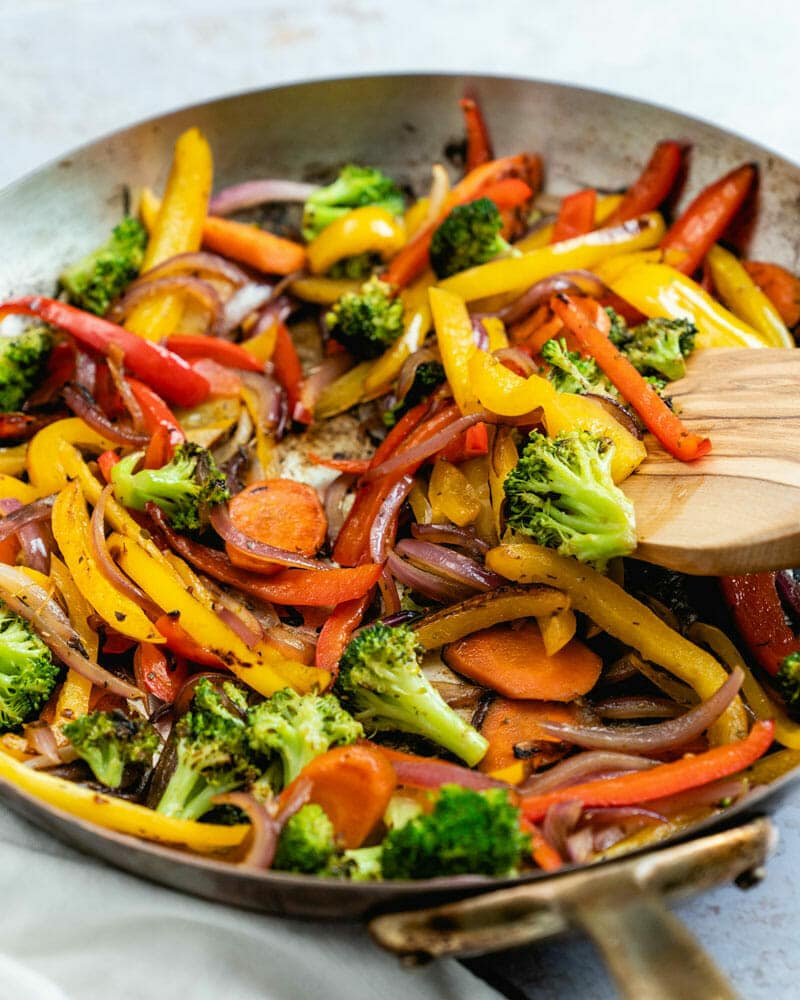
Weeknights are a sprint. Between work, family, and everything in between, getting a wholesome, delicious meal on the table can feel like an Olympic feat. That's where mastering sautéed vegetables comes in. Imagine a vibrant, healthy side dish that's ready in minutes, bursting with flavor, and requires minimal effort. That's precisely what minute sautéed vegetables offer – a culinary superpower for busy evenings.
Far from just a quick fix, these flavorful sautéed veggies are a testament to how simple techniques can yield extraordinary results. By dicing a colorful medley of fresh produce and quickly cooking it in a hot pan with aromatic garlic and fragrant herbs, you unlock a depth of flavor and a pleasing texture that can elevate any meal. Finished with a bright squeeze of lemon and an optional sprinkle of Parmesan, these humble vegetables transform into an irresistible, nutrient-packed companion for anything from grilled salmon to a simple pasta dish. It's the ultimate answer to the age-old question: "What side can I make quickly tonight?"
The Allure of Sautéed Vegetables: Your Weeknight Culinary Hero
Sautéing stands out as a superior cooking method for vegetables, especially when time is of the essence. Unlike boiling, which can leach out vital nutrients, or roasting, which demands more time, sautéing offers a rapid, high-heat approach that locks in flavor and preserves a satisfying al dente texture. The magic happens in just 20 minutes, transforming raw produce into a delightfully browned and tender side.
Speed and Efficiency: In a mere fraction of the time it takes to prepare other side dishes, you can have a vibrant bowl of sautéed vegetables ready. This makes them an indispensable ally for busy weeknights, spontaneous dinners, or when you just don't feel like spending hours in the kitchen.
Unlocking Flavor with Browning: The hallmark of truly delicious sautéed vegetables is the irresistible caramelization, or browning, that occurs on their surfaces. This is due to the Maillard reaction, a complex chemical process that creates hundreds of new flavor compounds, adding savory, nutty notes that you simply can't achieve through steaming or boiling. This browning contributes significantly to why these mixed vegetables are not just nutritious but also incredibly flavorful.
Nutrient Preservation: The quick cooking time and minimal water usage in sautéing help to retain more of the vegetables' essential vitamins and minerals, ensuring your side dish is as healthy as it is tasty.
Versatility and Waste Reduction: Have a fridge full of assorted veggies nearing their expiry date? Sautéing is your solution. It's a fantastic way to utilize seasonal bounty or lingering produce, preventing food waste and encouraging a diverse intake of vegetables. From broccoli florets to bell peppers, zucchini, and mushrooms, almost any quick-cooking vegetable can find a delicious home in your sauté pan.
Building Your Perfect Medley: Choosing and Prepping Your Veggies
The foundation of exceptional sauteed vegetables lies in the quality and variety of your ingredients. Always opt for fresh produce over frozen. Fresh vegetables offer a superior texture and flavor profile that truly shines when sautéed. While frozen can work in a pinch, they often release too much water, hindering the desirable browning and leading to a softer, less satisfying texture.
When selecting your medley, think about color, texture, and cooking time. Here are some excellent choices that cook relatively quickly:
- Cruciferous & Harder Varieties: Broccoli florets, cauliflower florets, sliced carrots, snap peas, green beans, onions (red, yellow, or sweet).
- Softer & Quicker Cooking Varieties: Zucchini, yellow squash, bell peppers (any color), asparagus, mushrooms, grape tomatoes, eggplant (diced), corn kernels.
Crucial Prep Tip: Uniformity is Key. To ensure even cooking and consistent texture, dice or slice your vegetables into roughly similar-sized pieces. Smaller pieces will cook faster and brown more efficiently. For instance, chop broccoli and cauliflower into bite-sized florets, slice zucchini into half-moons, and dice bell peppers into 1-inch squares.
Mastering the Sauté: Techniques for Irresistible Flavor and Texture
Achieving perfectly tender-crisp, beautifully browned sautéed vegetables isn't complicated, but it does rely on a few key techniques. These steps ensure your veggies are bursting with flavor, not just cooked.
Heat Management and Oil Application
Crank Up the Heat: The most common mistake in sautéing is using insufficient heat. A high heat is paramount for encouraging browning and caramelization (the Maillard reaction) rather than simply steaming the vegetables. Aim for medium-high to high heat, allowing your pan to get sufficiently hot before adding the oil and then the vegetables.
Don't Skimp on Oil: A fair amount of oil is essential for sautéing. It not only prevents sticking but, crucially, facilitates browning, helps to cook the vegetables evenly, and carries the flavors of your herbs and spices. Olive oil is a classic choice, but avocado oil or coconut oil are also excellent alternatives, especially for their higher smoke points which are beneficial at higher temperatures. Just ensure the oil is shimmering but not smoking before adding your ingredients.
Avoid Overcrowding: This is another critical tip. If you pack too many vegetables into the pan, the temperature drops dramatically, and the vegetables will release their moisture, steaming rather than browning. Cook in batches if necessary, allowing enough space for the vegetables to make direct contact with the hot pan surface. This ensures that delicious crispy-brown exterior.
Toss Occasionally: Resist the urge to constantly stir your vegetables. Allowing them to rest undisturbed in the hot pan for a minute or two will facilitate the browning process. Toss them just enough to ensure even cooking and prevent burning.
The Layered Approach: When to Add Which Vegetable
Different vegetables have different cooking times. To achieve a perfectly cooked medley where everything is tender but not mushy, employ a layered approach:
- Start with the Hardiest: Begin by adding crisp, dense vegetables that require more cooking time, such as broccoli, cauliflower, sliced carrots, or onions. Sauté these for a few minutes until they start to soften and show initial signs of browning.
- Introduce Medium-Cookers: Next, add vegetables that cook a bit faster, like bell peppers, green beans, asparagus, or zucchini. Continue sautéing until all vegetables are beginning to tenderize.
- Finish with the Quickest: Finally, incorporate the fastest-cooking and more delicate items, such as mushrooms, grape tomatoes, or corn kernels. These need only a minute or two to warm through and soften slightly without turning mushy. Garlic and fresh herbs are also best added towards the end of the cooking process (after the hardest vegetables have had a head start) to prevent them from burning and becoming bitter.
The Art of Seasoning: Beyond Salt and Pepper
Seasoning is what truly makes sauteed vegetables sing. Don't be shy! A generous hand with salt and freshly cracked black pepper is your baseline. However, to truly elevate the flavor:
- Garlic and Herbs: Finely minced garlic is a must for most savory sautéed vegetable dishes. Dried herbs like oregano, thyme, or Italian seasoning can be added with the garlic, while fresh herbs like parsley, basil, or chives are best stirred in right at the end for maximum freshness and aroma.
- A Bright Finish: A squeeze of fresh lemon juice at the very end is a game-changer. Its acidity cuts through the richness of the oil, brightens all the flavors, and adds a delightful zing. A splash of apple cider vinegar or balsamic glaze can also work wonders.
- The Parmesan Principle: While listed as optional, a light grating of fresh Parmesan cheese over your finished sautéed vegetables is highly recommended. Its salty, umami-rich notes complement the veggies beautifully and add an extra layer of deliciousness that makes them feel truly gourmet. Don't underestimate the power of a little cheese to complete the dish and make it utterly irresistible.
Customizing Your Sautéed Vegetables: Endless Possibilities
One of the greatest strengths of sautéed vegetables is their incredible adaptability. This isn't a rigid recipe; it's a flexible framework that invites creativity and caters to your palate and pantry.
Global Flavor Profiles
Tailor your sautéed vegetables to complement any cuisine you're serving. Here are just a few ideas:
- Mediterranean: Use olive oil, garlic, oregano, thyme, and finish with lemon juice and feta cheese.
- Asian-Inspired: Sauté with sesame oil, ginger, garlic, a splash of soy sauce or tamari, and a sprinkle of sesame seeds.
- Mexican Fiesta: Cook with cumin, chili powder, a pinch of smoked paprika, and finish with lime juice and fresh cilantro.
- Herby French: Use butter and olive oil, shallots, garlic, and finish with fresh tarragon and chives.
Beyond the Side Dish: Integrating Into Meals
While an excellent side, these sauteed vegetables are versatile enough to star in other dishes:
- Grain Bowls: Add them to quinoa, rice, or farro bowls with your favorite protein and dressing.
- Omelets and Scrambles: Stir into eggs for a nutritious breakfast or brunch.
- Pasta Dishes: Toss with cooked pasta, a light sauce, and more Parmesan for a quick vegetarian meal.
- Wraps and Sandwiches: Use as a flavorful filling for pitas, tortillas, or bread.
Meal Prep Made Easy
Sautéed vegetables are ideal for meal prepping. Prepare a larger batch at the beginning of the week and divide them into portions for lunches or quick dinner add-ons. They store well in an airtight container in the refrigerator for 3-4 days. Reheat gently in a pan or microwave, or enjoy them cold in salads. This simple foresight can save you significant time during busy weekdays, ensuring you always have a healthy option readily available.
Forget bland, boring vegetables. Minute sautéed vegetables are your ultimate answer to a quick, healthy, and incredibly flavorful side dish that truly completes any meal. With just a few simple techniques and a willingness to experiment, you can transform a handful of fresh produce into a vibrant, delicious, and nutrient-rich offering in under 20 minutes. So, embrace the high heat, the sizzle of the pan, and the joy of browning – your taste buds, and your busy weeknights, will thank you!
